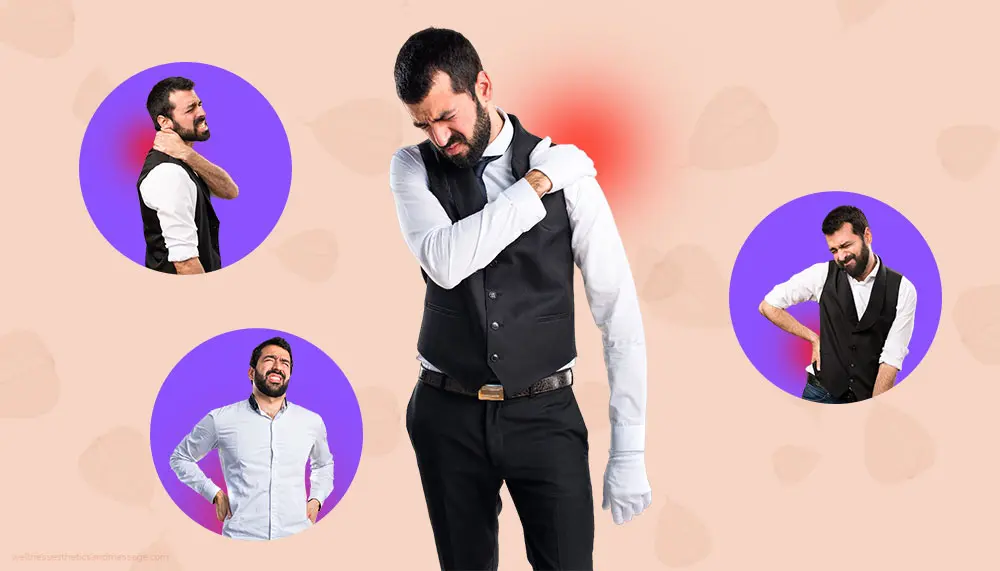
Common Causes of Back and Wrist Pain in Waiters
Waiters and waitresses commonly experience back and wrist pain due to the nature of their work, which involves repetitive motions and lifting heavy objects. Understanding the common causes of these issues can help waitstaff take proactive measures to prevent pain and discomfort.
One of the leading causes of back and wrist pain in waiters is the repetitive motion of carrying trays and plates. Constantly bending and twisting while balancing heavy items can strain the muscles and ligaments in the back and wrist, leading to discomfort and potential injuries over time.
Another contributing factor is the improper lifting technique used when handling heavy objects such as trays or boxes filled with dishes. Lifting with a rounded back or using excessive force without engaging the proper muscles can put unnecessary strain on the back and wrists, increasing the risk of pain and injury.
In addition, the nature of the job requires waitstaff to perform repetitive activities such as pouring beverages, shaking drinks, and carrying heavy bottles or jugs. These repeated movements can cause overuse and strain on the muscles and tendons in the wrists and elbows, leading to conditions like tendinitis.
Furthermore, poor posture while standing or walking for extended periods can also contribute to back pain. Leaning forward or slouching puts unnecessary pressure on the spine and can lead to discomfort and stiffness.
To prevent back and wrist pain, it is crucial for waiters to be aware of these common causes and take appropriate measures to protect their health. By implementing the following tips and techniques, waitstaff can minimize the risk of pain and injuries, allowing them to perform their duties comfortably and efficiently.
Importance of Preventing Back and Wrist Pain for Waitstaff
As a waiter or waitress, your job requires constant movement, lifting, and repetitive motions. While providing excellent service to customers, it’s essential to prioritize your well-being and take preventive measures to avoid back and wrist pain.
Back and wrist pain can significantly impact your ability to perform your duties effectively and can even lead to long-term health issues. By understanding the importance of prevention, you can prioritize your health and ensure a long and fulfilling career in the hospitality industry.
By implementing the top tips for preventing back and wrist pain, you can reduce the risk of injuries and improve your overall physical well-being. These tips focus on maintaining flexibility in your shoulders and wrists, incorporating stretching exercises into your routine, and distributing force evenly to minimize strain.
Furthermore, alternating hands while shaking drinks and varying your shaking routine can help avoid excessive strain on one arm. Proper handling of heavy bottles and jars, along with keeping objects close to your body to avoid overreaching, can further protect your back and wrists from unnecessary strain.
Another crucial aspect of preventing back and wrist pain is maintaining proper posture and using correct lifting techniques. By adopting these practices, you can minimize the strain on your back and wrists, reducing the risk of pain and injury.
Lastly, don’t underestimate the significance of self-care and providing your body with adequate rest. Taking breaks and practicing relaxation techniques can help alleviate accumulated stress and tension, further reducing the chances of developing chronic pain.
By recognizing the importance of preventing back and wrist pain as a waiter or waitress, you are taking a proactive step towards safeguarding your health and longevity in the industry. Incorporating these preventive measures into your daily routine will not only benefit you physically but also enhance your performance and job satisfaction.
Tip 1: Maintaining Flexible Shoulders and Wrists
One of the important factors in preventing back and wrist pain as a waiter is maintaining flexible shoulders and wrists. The repetitive motions and strain associated with serving and carrying trays can take a toll on these areas of the body. By prioritizing flexibility, you can reduce the risk of injuries and discomfort.
A great way to improve flexibility in your shoulders and wrists is through regular stretching exercises. Start by gently rolling your shoulders backward and forward to warm up the muscles. Then, extend your arms forward and rotate your wrists in both directions. This can help increase blood flow and loosen up any tension in these areas.
In addition to stretching, it’s crucial to focus on proper posture while performing your duties. Keep your shoulders relaxed and your spine aligned, avoiding slouching or hunching forward. Maintaining a good posture can alleviate strain on your shoulders and wrists, promoting healthier movements during your shifts.
Another technique to maintain flexibility is to take short breaks throughout your shift to rest and stretch. Use these moments to perform simple shoulder rolls or wrist stretches, allowing your muscles to relax and recover from repetitive motions.
Lastly, be mindful of how you distribute the force when performing tasks. Avoid overloading one side of your body or putting excessive pressure on your shoulders and wrists. Instead, focus on distributing the weight evenly and engaging your core muscles to provide support.
By incorporating these practices into your daily routine as a waiter, you can help prevent back and wrist pain. Prioritize flexibility, practice regular stretching exercises, maintain good posture, and distribute force evenly to minimize the risk of discomfort and injuries.
Tip 2: Stretching Exercises for Waiters to Prevent Pain
As a waiter, incorporating regular stretching exercises into your routine can help prevent back and wrist pain caused by repetitive motions. These exercises not only improve flexibility but also promote blood circulation and reduce muscle tension.
Here are some effective stretching exercises specifically tailored for waitstaff:
- Neck Rolls: Gently drop your chin towards your chest and slowly roll your head from side to side, creating a circular motion. Repeat this exercise for a few minutes to release tension in the neck muscles.
- Shoulder Stretch: Extend one arm across your chest and use the opposite hand to gently pull the extended arm closer to your body. Hold the stretch for about 20 seconds and repeat on the other side.
- Wrist Flexibility: Extend one arm in front of you, palm facing down. Use your other hand to gently bend your wrist downward, holding the stretch for a few seconds. Repeat the stretch by bending your wrist upward. Switch arms and repeat the exercise.
- Lower Back Stretch: Lie on your back with knees bent and feet flat on the floor. Gently hug your knees towards your chest, feeling a stretch in your lower back. Hold the stretch for 15-20 seconds.
- Hamstring Stretch: Stand with one foot slightly in front of the other. Keeping your back straight, bend forward at the hips and reach towards your toes. Hold the stretch for 20-30 seconds and repeat on the other leg.
Remember to perform these stretches in a slow and controlled manner, avoiding any jerky or sudden movements. Incorporate them into your pre-shift warm-up routine and take short stretching breaks during your shift to alleviate built-up tension.
By regularly practicing these stretching exercises, you can improve your overall flexibility and reduce the risk of back and wrist pain, ensuring a more comfortable and pain-free experience as a waiter.
Tip 3: Distributing Force Evenly to Minimize Strain
When it comes to preventing back and wrist pain as a waiter or waitress, one essential tip is to distribute force evenly to minimize strain on your muscles and joints. By implementing proper techniques, you can reduce the risk of injury and discomfort during your shifts.
First and foremost, it’s crucial to maintain a balanced stance while carrying trays or heavy objects. Stand with your feet shoulder-width apart and distribute the weight evenly between both feet. This helps to evenly distribute the force throughout your body and prevents excessive strain on your back and wrists.
Additionally, when lifting or carrying heavy items, such as trays filled with dishes or trays of drinks, it’s important to engage your core muscles and lift with your legs rather than straining your back. Bend your knees and keep your back straight as you lift, utilizing the strength in your lower body to share the load.
Another important consideration is to avoid twisting motions while carrying heavy objects. Instead, pivot your body using your feet to turn in the desired direction. Twisting can put unnecessary strain on your back, leading to discomfort and potential injuries.
Furthermore, be mindful of how you distribute weight when carrying multiple objects. Try to balance the load evenly between your hands or use a tray that evenly distributes the weight. This will help prevent putting excessive strain on one side of your body, reducing the risk of developing pain or injuries over time.
Lastly, consider using equipment or tools that can help distribute force evenly. For example, invest in ergonomic serving trays with handles that are designed to minimize strain on your wrists and promote proper weight distribution. These trays can make a significant difference in reducing the risk of discomfort and pain.
By following these tips and distributing force evenly, you’ll be able to minimize strain on your back and wrists, significantly reducing the risk of developing chronic pain or injuries. Incorporate these techniques into your daily routine as a waiter or waitress, and prioritize your well-being while providing excellent service to your customers.
Tip 4: Alternating Hands while Shaking Drinks
One effective way for waiters and waitresses to prevent back and wrist pain is by alternating hands while shaking drinks. When you continuously use the same arm for this task, it can lead to strain and overuse injuries in the wrist and forearm muscles. By alternating hands, you distribute the workload more evenly, allowing both sides of your body to share the effort.
When you start your shift, make a conscious effort to switch hands regularly while shaking drinks. For example, if you typically use your right hand, try using your left hand for the next few drinks and switch back and forth throughout the night. This simple technique can help reduce the risk of developing muscle imbalances and repetitive stress injuries.
Additionally, by alternating hands, you allow each arm to have a brief rest, which can help prevent fatigue and muscle overexertion. This way, you can maintain better control over the shaking motion without straining a particular arm excessively.
Remember to pay attention to your technique while shaking drinks with different hands. Ensure that you have a firm grip on the shaker and use smooth, controlled movements to minimize the risk of spills or accidents. Practice this alternating hand approach consistently, and with time, it will become a natural part of your bartending routine.
Tip 5: Varying Shaking Routine to Avoid Overuse
One common task for waiters is shaking drinks filled with ice, which can put strain on the wrists and lead to overuse injuries. To prevent this, it is essential to vary the shaking routine regularly.
Firstly, consider switching hands while shaking drinks. This simple practice helps distribute the workload evenly and prevents excessive strain on one arm. By alternating between the left and right hand, the muscles and tendons in both arms can share the effort, reducing the risk of developing wrist pain or tendinitis.
Additionally, you can vary your shaking techniques. Rather than only shaking in an up-and-down motion, try incorporating lateral movements or circular motions. This variation distributes the stress on different muscle groups, reducing the chances of straining a particular area.
It is also beneficial to alternate between different types of shakers. For example, if you primarily use a Boston shaker, try using a three-piece Cobbler shaker from time to time. This change in equipment alters the grip and movement required, providing relief to specific muscle groups and reducing the risk of repetitive strain injuries.
Furthermore, consider incorporating short breaks in between shaking sessions. Taking a few moments to stretch or relax your hands and wrists can provide significant relief and prevent the accumulation of strain over time. Simple stretches like wrist circles, finger stretches, and hand stretches can help improve flexibility and reduce tension.
Remember, the key is to keep your movements varied and avoid repetitive strain on specific muscles and joints. By implementing these strategies and periodically changing your shaking routine, you can minimize the risk of developing wrist pain and maintain a healthier, pain-free work experience as a waiter.
Tip 6: Proper Handling of Heavy Bottles and Jars
As a waiter, handling heavy bottles and jars is a common task that can put strain on your back and wrists if not done correctly. To prevent potential injuries and discomfort, it is essential to practice proper lifting and carrying techniques.
Firstly, when picking up a heavy bottle or jar, make sure to maintain a firm grip and use both hands whenever possible. This distributes the weight evenly and reduces the strain on a single hand or wrist. Remember, it is always better to ask for assistance if a heavy item seems too difficult to handle alone.
Secondly, keep the heavy object as close to your body as possible. This positioning provides better stability and control, minimizing the risk of accidental drops or slips. Be conscious of your posture during the lifting process and try to avoid bending or twisting your back. Instead, bend your knees and utilize your leg muscles to lift the weight, keeping your spine straight.
When carrying heavy bottles or jars, try to avoid extended periods of reaching or overstretching. Aim to keep the items around waist level whenever feasible, as this reduces the strain on your back and arms. If you need to transport them a longer distance, consider using a serving tray or cart for added support.
Lastly, take regular breaks and listen to your body. If you start to feel any discomfort or fatigue, it is essential to rest and allow your muscles to recover. Don’t push yourself beyond your limits, as this can increase the risk of injury.
By following these proper handling techniques, you can significantly reduce the strain on your back and wrists when dealing with heavy bottles and jars. Prioritizing your physical well-being will help you maintain a long and sustainable career as a waiter.
Tip 7: Keeping Objects Close to Body to Avoid Overreaching
When it comes to carrying heavy bottles or jars, waiters should always prioritize keeping these objects close to their bodies and avoid overreaching. By doing so, they can minimize the strain on their back and wrist muscles, reducing the risk of pain and injuries in these areas.
By keeping objects close to the body, waitstaff can take advantage of their natural strength and stability. This means holding the items securely against the chest or abdomen while walking to prevent unnecessary strain on the arms and shoulders.
It is essential to avoid extending the arms outward or reaching far away from the body when carrying heavy objects. Overreaching increases the load and stress on the joints and muscles, making them susceptible to strain and discomfort over time.
Additionally, maintaining a close proximity ensures better balance and control over the weight being carried. This helps in maintaining proper posture and reduces the risk of tripping or dropping objects, which can lead to sudden jerking movements and potential injuries.
Remember to use both hands whenever possible to distribute the load evenly and provide additional support. This will prevent overexertion on one side of the body and improve overall stability while carrying heavy items.
By following this simple yet effective tip, waiters can significantly reduce the strain on their back and wrist muscles, promoting a healthier and pain-free work experience.
Tip 8: Minimizing Strain by Moving Glasses and Cups Close to the Body
When serving drinks as a waiter, it is crucial to minimize strain and reduce the risk of back and wrist pain. One effective way to achieve this is by moving glasses and cups close to the body while serving. By keeping the serving items as close as possible to your torso, you can minimize the strain on your arms, shoulders, and back.
By holding the glass or cup close to your body, you ensure that the weight is distributed evenly and supported by your entire upper body. This technique helps to prevent excessive pressure on your wrist joints and reduces the chances of developing repetitive strain injuries.
Remember to maintain a firm grip on the glass or cup while keeping it close to your body. Avoid overreaching or stretching to reach the customer, as this can strain your muscles and lead to discomfort or injury. Instead, take small steps and use your whole body to move closer to the customer, ensuring a controlled and balanced movement.
It’s also essential to be mindful of your posture while carrying the glass or cup. Keep your back straight, shoulders relaxed, and engage your core muscles to provide additional support. Avoid twisting or bending your spine as you move, as this can put unnecessary strain on your back and contribute to pain and discomfort.
Furthermore, take advantage of any available tools or equipment, such as trays or serving carts, to assist you in carrying multiple glasses or cups. These tools can help distribute the weight evenly and reduce the strain on specific muscles and joints.
By implementing these strategies and minimizing strain while moving glasses and cups close to your body, you can significantly reduce the risk of back and wrist pain as a waiter. Prioritizing proper body mechanics and considering ergonomic techniques will contribute to your overall well-being, allowing you to provide excellent service without compromising your health.
Tip 9: Correct Posture and Lifting Techniques for Waiters
Proper posture and lifting techniques are essential for waiters to prevent back and wrist pain. By maintaining good posture and using proper lifting techniques, waitstaff can reduce the strain on their muscles and joints, minimizing the risk of injuries and chronic pain.
Here are some tips for waiters to maintain correct posture and use proper lifting techniques:
- Stand upright with your shoulders back and relaxed. Avoid slouching or hunching forward, as this can put unnecessary strain on your back and wrists.
- Engage your core muscles to support your spine. This not only helps in maintaining good posture but also provides stability while lifting heavy items.
- When lifting heavy objects, bend at your knees and hips, not your back. Squat down, keeping your back straight, and use the strength of your legs to lift the load. Avoid twisting your body while lifting.
- Hold the object close to your body while lifting or carrying. This reduces strain on your back and wrist muscles.
- Avoid lifting or carrying objects that are too heavy for you. If an item is too heavy, ask for assistance or use mechanical aids, such as trolleys or dollies, to transport it safely.
- Take regular breaks and avoid prolonged periods of standing or lifting. Use these breaks to stretch and rest your muscles.
By adopting correct posture and lifting techniques, waiters can significantly reduce the risk of back and wrist pain. It is crucial to prioritize proper body mechanics and take care of your physical well-being to ensure a long and healthy career in the service industry.
Tip 10: Self-Care and Rest Techniques for Waitstaff
Working as a waiter can be physically demanding, and it’s crucial to prioritize self-care and rest to prevent back and wrist pain. Here are some effective techniques that waitstaff can incorporate into their routines:
- Regular Breaks: Schedule regular breaks throughout your shift to give your body adequate rest. Use this time to stretch, relax your muscles, and hydrate.
- Proper Sleep: Ensure you get sufficient sleep to allow your body to recover and rejuvenate. Aim for at least 7-8 hours of quality sleep each night.
- Massage Therapy: Consider getting regular massages to loosen tight muscles and alleviate any tension or discomfort. Targeted massages can help improve blood circulation and promote muscle relaxation.
- Heat and Cold Therapy: Applying heat packs or taking warm showers can help relax muscles and relieve any stiffness. Similarly, cold therapy with ice packs or cold compresses can reduce inflammation and numb pain.
- Gentle Exercises: Engage in gentle exercises such as yoga or Pilates to improve flexibility, strengthen core muscles, and enhance overall body balance.
- Mindful Posture: Practice good posture while working and during your everyday activities. Maintain a neutral spine, avoid slouching, and keep your shoulders relaxed.
- Stress Management: Find healthy ways to manage stress, such as meditation, deep breathing exercises, or engaging in hobbies that help you relax and unwind.
- Ergonomic Tools: Utilize ergonomic tools and equipment, such as supportive shoe inserts, cushioned mats, and wrist braces, to minimize strain on your body.
- Stay Hydrated: Drink plenty of water throughout your shift to keep your muscles hydrated and prevent muscle cramps or spasms.
- Listen to Your Body: Pay attention to any warning signs of pain or discomfort and seek medical attention if needed. Don’t ignore persistent pain, as it can indicate an underlying issue that requires treatment.
By incorporating these self-care practices and rest techniques into your routine, you can significantly reduce the risk of experiencing back and wrist pain as a waiter. Prioritizing your well-being will not only benefit your physical health but also enhance your overall job performance. Remember, taking care of yourself should be a top priority.
FAQs about Back and Wrist Pain Prevention for Waiters
Here are some frequently asked questions about preventing back and wrist pain for waiters:
- Q: What are the common causes of back and wrist pain in waiters?
A: Back and wrist pain in waiters can be caused by repetitive motions such as lifting heavy objects, shaking drinks, and reaching for items. These repetitive actions can strain the muscles and joints, leading to pain and discomfort over time.
- Q: Why is it important for waitstaff to prevent back and wrist pain?
A: Preventing back and wrist pain is crucial for waitstaff as it can significantly affect their ability to perform their job effectively. Pain and discomfort can lead to decreased productivity, decreased job satisfaction, and potential long-term health issues if left unaddressed.
- Q: How can waiters maintain flexible shoulders and wrists?
A: Waiters can maintain flexible shoulders and wrists by incorporating regular stretching exercises into their daily routine. This includes exercises that focus on stretching the shoulders, wrists, and forearms to improve mobility and reduce the risk of stiffness or strain.
- Q: What can waiters do to distribute force evenly and minimize strain?
A: Waiters can distribute force evenly by using their entire upper body, rather than relying solely on their wrists or arms. It is important to engage the core muscles and use proper body mechanics to minimize strain and reduce the risk of injury.
- Q: Is it beneficial for waiters to alternate hands while shaking drinks?
A: Yes, alternating hands while shaking drinks can help prevent overuse and strain on one arm. By switching hands periodically, waiters can distribute the workload more evenly between both arms, reducing the risk of developing wrist and arm pain.
- Q: How can waiters avoid overreaching and minimize strain while carrying heavy objects?
A: Waiters can avoid overreaching and minimize strain by keeping objects close to their bodies when carrying heavy bottles or jars. This reduces the strain on the back, shoulders, and wrists, making it easier to maintain proper posture and avoid unnecessary stress on the body.
- Q: What are some self-care and rest techniques that waitstaff can practice?
A: Waitstaff can incorporate self-care and rest techniques into their routine to prevent back and wrist pain. This includes taking short breaks throughout the shift to stretch and relax their muscles, practicing proper ergonomics, and seeking medical attention if any persistent pain or discomfort arises.
By understanding the common causes of back and wrist pain in waiters and implementing preventive measures, waitstaff can prioritize their well-being and ensure they can perform their job with comfort and efficiency.